RubyThe combat-and-aggression ink — fighters, damage, fast threats.
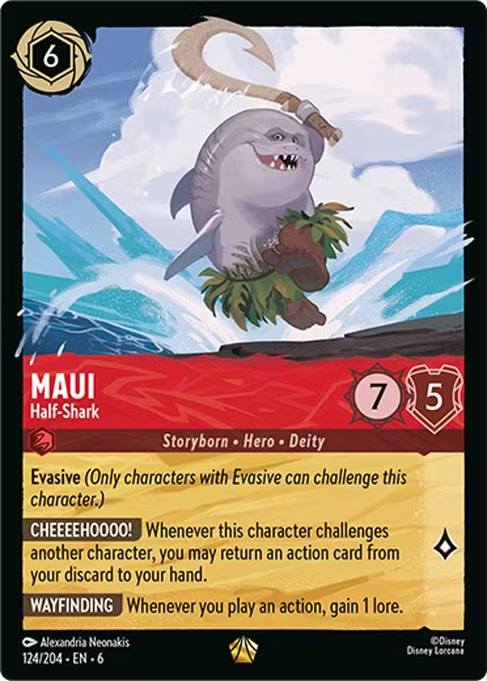
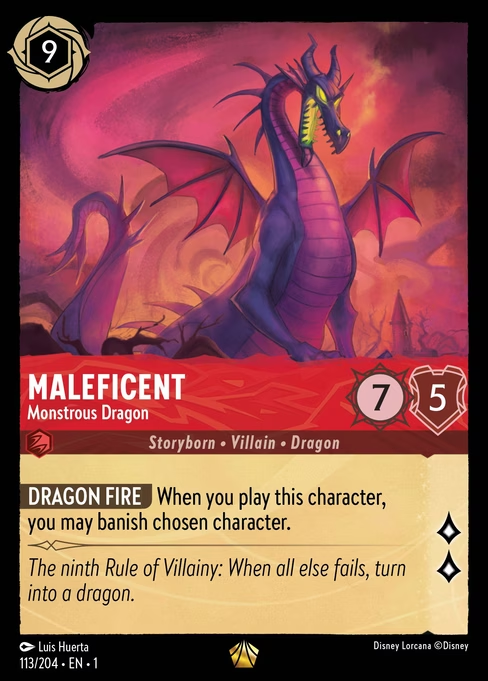
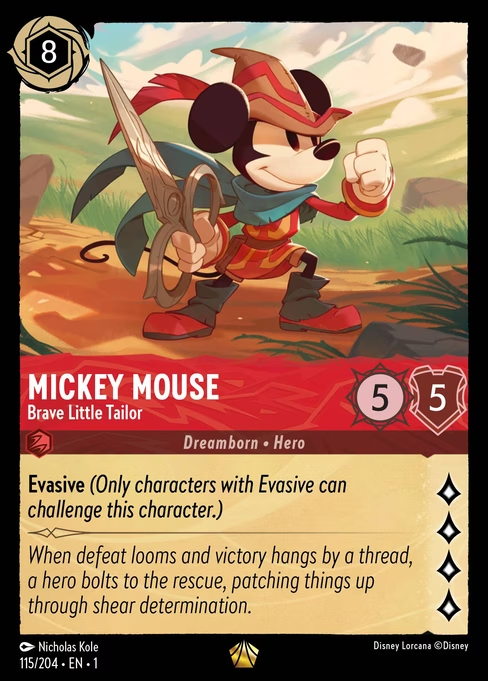
Ruby is Lorcana's fight ink. High strength, damage triggers, the Challenger keyword, and pressure that compounds turn over turn — Mickey Mouse as Brave Little Tailor, Maleficent as Monstrous Dragon, Maui as Half-Shark. If you'd rather punch through opposing characters than dance around them, Ruby is the ink built for it.
Identity — what Ruby represents
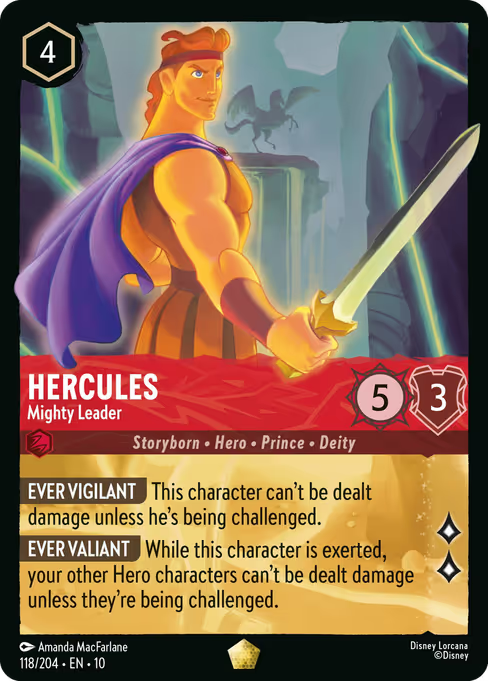
Ruby is the ink of warriors, dragons, and unrestrained power. Hercules, Maleficent in dragon form, Maui, Sisu, Scar, Tinker Bell as a fighter — anyone whose first answer to a problem is "hit it harder" lands here. Thematically, Ruby is fire and red, smoldering coals, the moment before a fight breaks out.
Mechanically, Ruby characters have higher strength relative to cost than other inks, plus access to keywords that turn raw stats into game-ending pressure. The downside: lower willpower and almost no healing. A Ruby character that gets damaged usually stays damaged.
Mechanical role — what Ruby does
- Challenger. Gain bonus strength when challenging — turns a 4/4 into a 7/4 on the attack. Ruby has the deepest Challenger pool by far.
- Rush. Characters can challenge the turn they're played, bypassing summoning sickness. Combines brutally with Challenger.
- Reckless. Some Ruby characters are forced to challenge — a downside on paper, but with the right curve it's just "free damage every turn."
- Direct damage. A handful of Ruby actions deal damage directly to characters or even the player, providing reach beyond combat.
What Ruby doesn't do well: late-game value, healing, lore generation per character. Pair with Amber for a lore engine, or Amethyst for control to extend short games into wins.
Top Ruby Legendaries
A sample across sets and roles. Click through for full card details and current prices.
Iconic Disney IPs in Ruby
If you're picking inks based on which characters you want to play with, here's what Ruby typically gets:
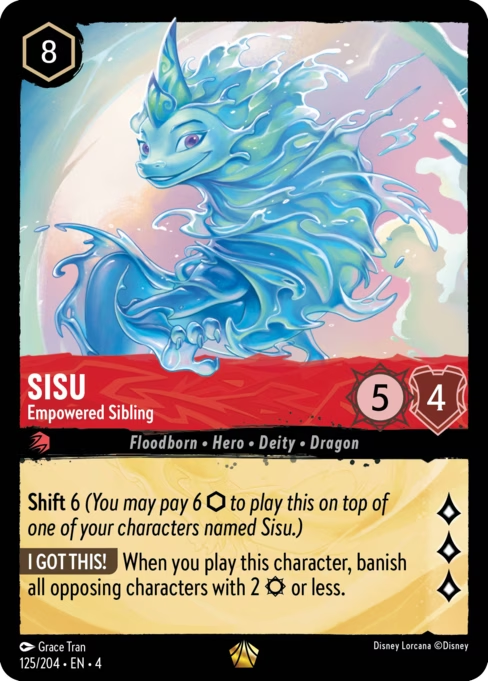
- Warriors and fighters — Hercules, Mulan (action variants), Maui, Sisu
- Dragons — Maleficent in dragon form, Sisu's empowered forms, Mushu
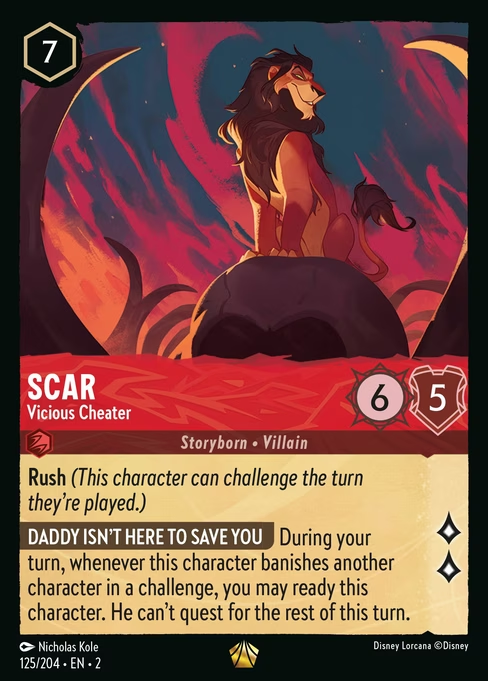
- Lion King villains — Scar in his most aggressive variants
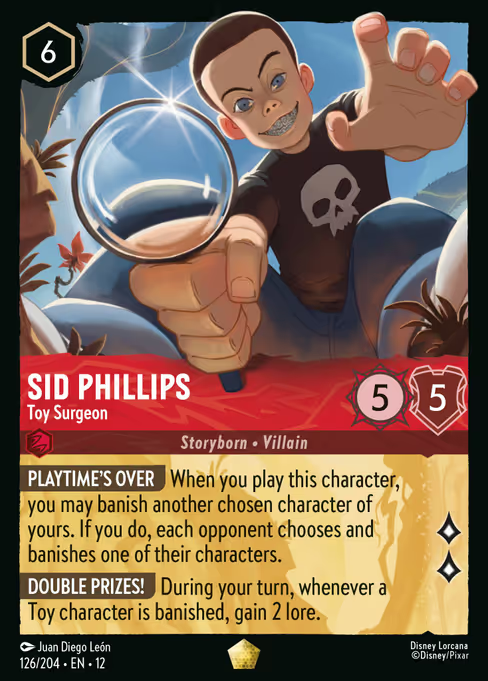
- Toy Story antagonists — Sid Phillips and his disturbing creations
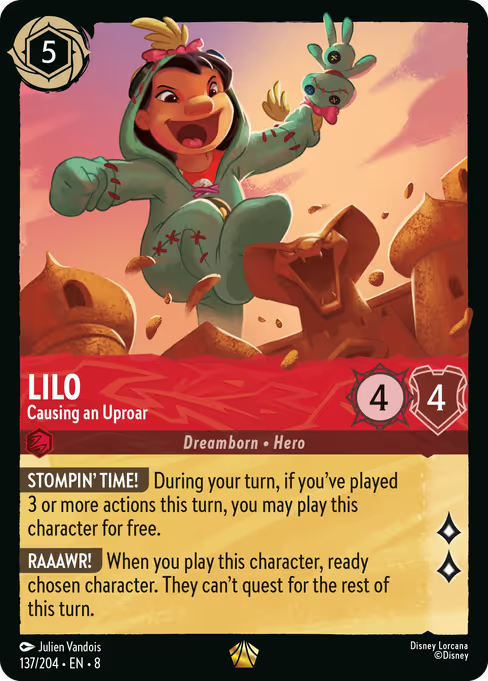
- Lilo & Stitch — Lilo as an aggressive controller, Stitch in his rampaging forms
- Frozen Floodborn — Elsa as Ice Artisan, Anna in her vengeful forms
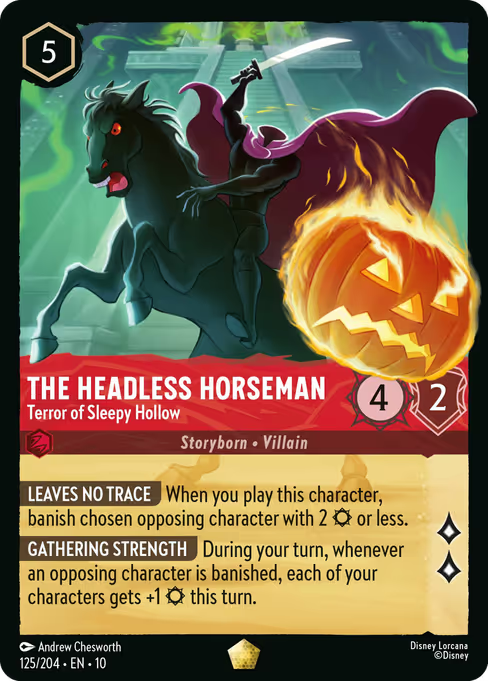
- Other classic combatants — Tinker Bell as a fighter-fairy, Captain Hook variants, the Headless Horseman
Notable absences: Pure princesses (Amber), most pirates (Emerald), sorcerers (Amethyst). Ruby is where the "fight scene" version of any character usually lands.
Deck combos that include Ruby
Ruby is half of 5 of the 15 possible two-ink decks. Each pairing has its own personality:
Tips for new Ruby players
Ruby's biggest mistake is questing instead of attacking. The math almost always favors challenging a key opposing character — even if you take damage in return, you remove a piece of their gameplan. Quest with the small stuff, attack with the heavy hitters.
Watch your willpower. Ruby characters often have 3–5 willpower while Steel-or-Sapphire walls have 6–8. Trading isn't always favorable; sometimes you save the attack for a target you can outright banish. Pair with Sapphire if you want to slow the game down and play bigger threats.
Other inks
Each of the 5 other inks has its own identity. Click through to explore.