The Six Lorcana Inks
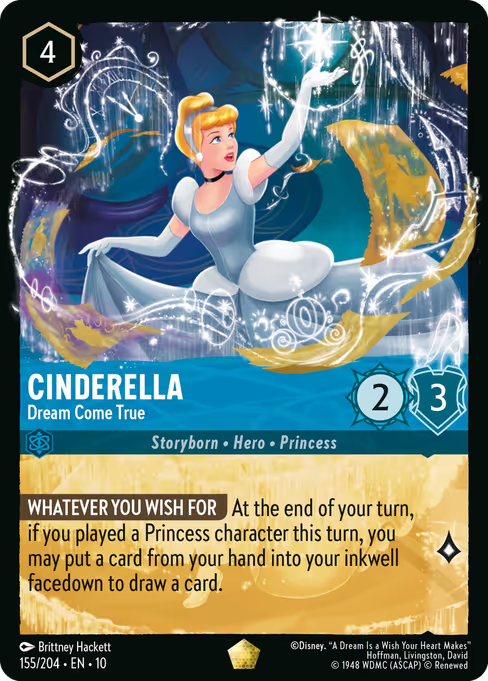
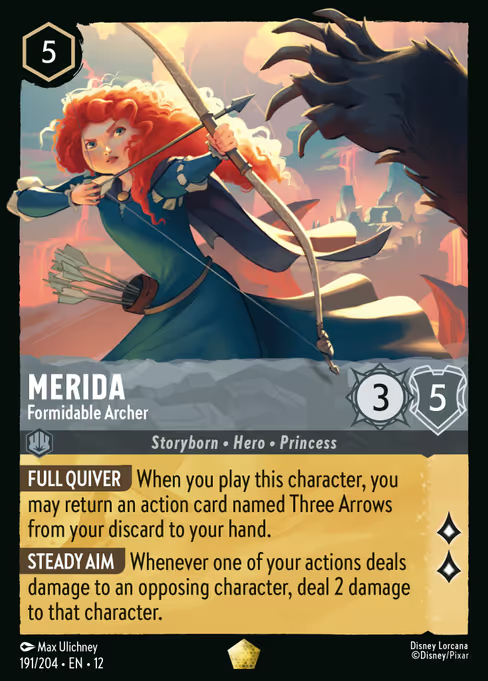
Every Disney Lorcana card belongs to one of six inks, and every deck uses exactly two of them. The inks are the highest-level decision in deckbuilding — they define your strategy, your character roster, and the kind of plays your deck can make. Pick a starting ink below to read its full guide, see its top legendaries, and find out which dual-ink decks include it.
Browse the inks
Each ink page has a deeper guide — its identity, mechanical role, top Legendaries with current prices, the Disney IPs that show up most often, and the five dual-ink decks that include it.
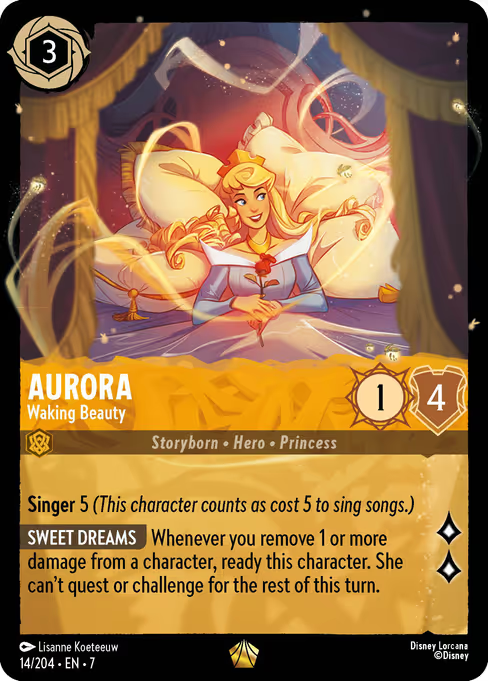
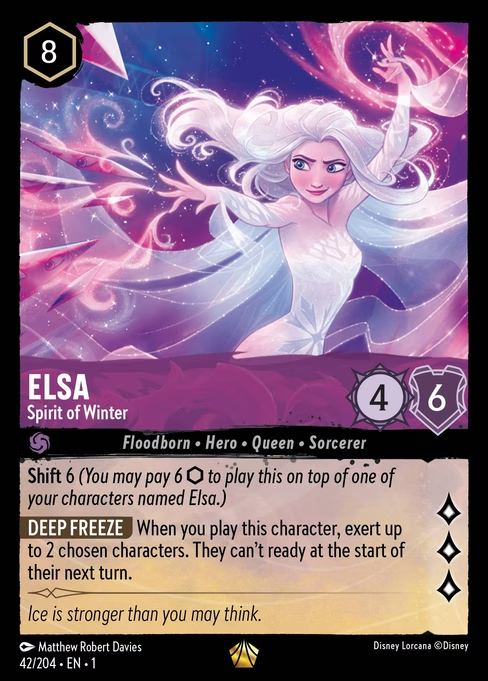
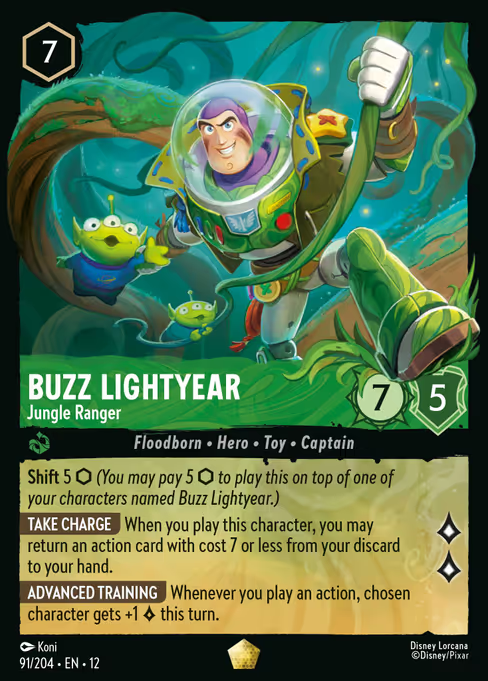
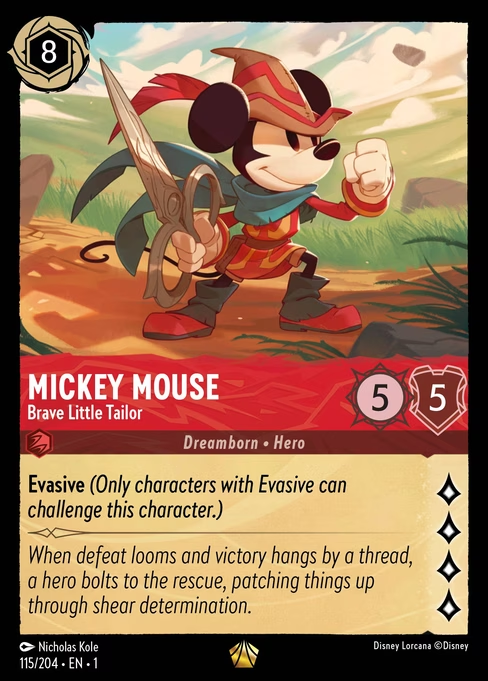
Inks at a glance
A quick comparison of what each ink does best and where it struggles. The pairings page covers how these strengths combine across the 15 dual-ink decks.
About Lorcana inks
Lorcana's resource system is built on the six inks. Every card has one of them (a small handful of dual-ink cards exist as exceptions), and the deck-construction rules require exactly two inks — never one, never three. The two-ink restriction is what makes Lorcana's deckbuilding interesting: you can't have everything, so you trade one set of strengths for another.
Most cards are inkable — they can be put face-down into your inkwell to pay for other cards' costs. Non-inkable cards are usually higher-impact since they trade away that flexibility. A balanced deck has enough inkables in each ink that turn 3 isn't dead air, and enough non-inkable threats to win games once the resource curve is set.
The six inks fall into rough strategic camps. Amber and Sapphire favor longer games — lore generation, items, songs, healing. Ruby and Steel favor combat and removal — banishing threats and pushing damage. Amethyst and Emerald specialize in disruption — bouncing characters, exerting them, denying clean turns. Pairing inks within a camp produces synchronous decks; pairing across camps produces hybrid strategies that cover more matchups.